


Technical Guide to Professional Scientific Illustration
I am Hugo Salais, the specialist behind Metazoa Studio. I have worked as a professional scientific illustrator for over 13 years, partnering with science, healthcare, outreach, and culture professionals to transform complex scientific information into clear, rigorous, and visually effective imagery.
In this technical guide, I will explain what professional scientific illustration truly is, how it differs from other types of illustration, its methodological principles, and why it is a key tool in contemporary science communication.
What is scientific illustration?
Scientific illustration is a specialized visual discipline focused on the accurate representation of phenomena, structures, processes, or organisms based on verifiable scientific data. Its primary function is to communicate knowledge clearly, eliminating ambiguity and facilitating the understanding of concepts that are often difficult to explain through text alone.
Unlike other forms of illustration, scientific illustration is not based on free interpretation or subjective expression. Every visual element corresponds to observable data, accepted scientific models, or grounded hypotheses, and is built with a specific informative purpose.
It is commonly used in academic publications, educational materials, science outreach, medicine, museum exhibits, and technical documentation, especially when the subject of study is not accessible to the naked eye due to its scale, complexity, or theoretical nature.
The professional practice of scientific illustration
When this discipline is applied within an academic, editorial, or institutional environment, we refer to it as professional scientific illustration. In this context, the image ceases to be a mere visual resource and becomes a targeted and validated scientific communication tool.
Professional work involves starting from reliable sources, analyzing specialized documentation, collaborating with subject matter experts, and following methodologies that ensure consistency between visual content and accepted scientific knowledge. Illustration is neither improvised nor decided solely by aesthetic criteria: it is the result of a structured analytical process.
From this perspective, the scientific illustrator acts as a mediator between research and understanding, helping scientific information reach its target audience in an accurate, understandable, and visually coherent manner.
If you are developing a scientific project and need to transform complex data into a rigorous visual representation, you can view real-world examples in my professional portfolio.
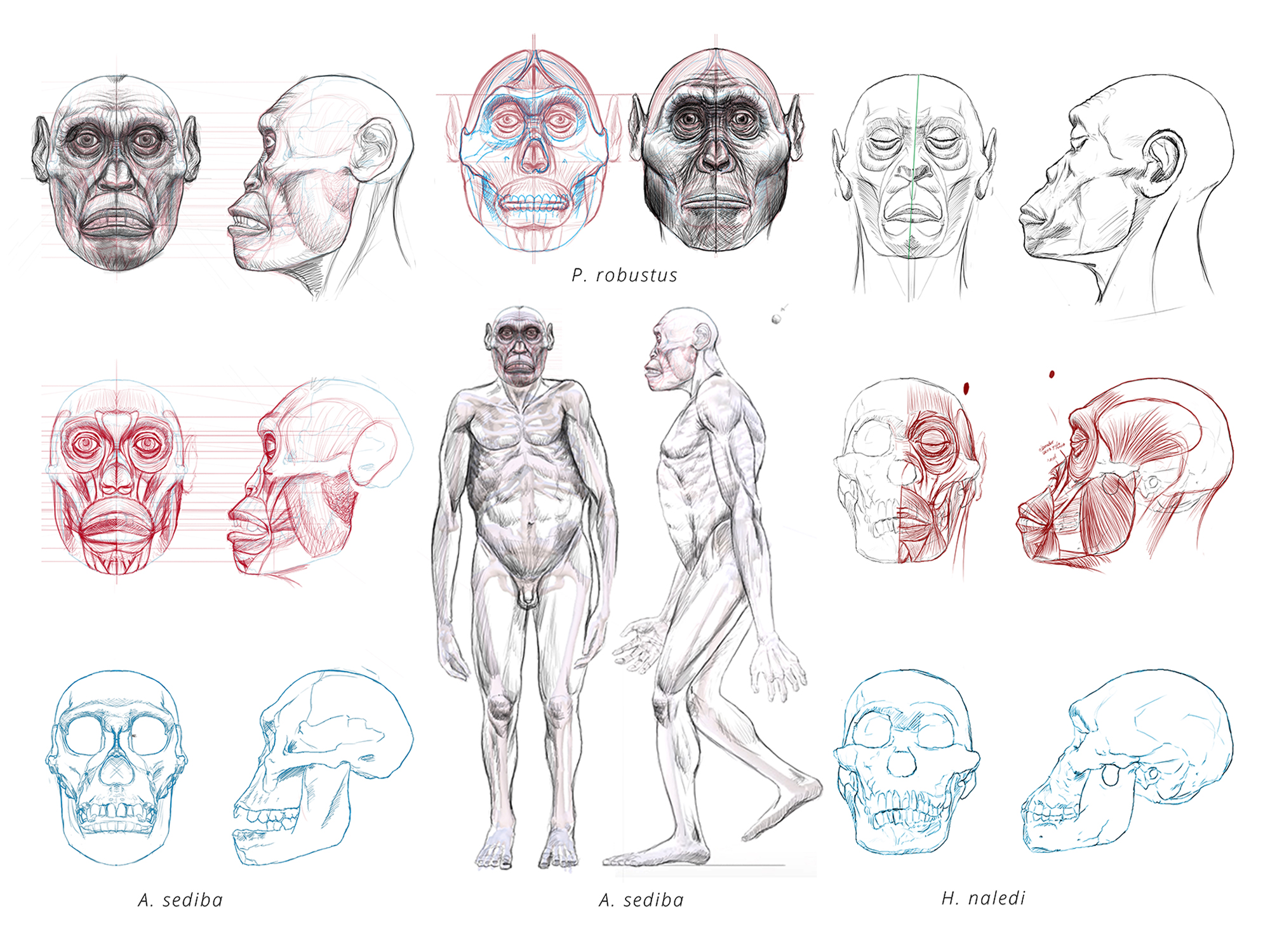

Fundamental principles
Scientific rigor
Scientific rigor is the foundation upon which any professional scientific illustration is built. Every representation must be supported by verified data, specialized bibliography, and up-to-date sources, avoiding personal interpretations that could distort the meaning of the information.
Communicative clarity
Clarity is an essential principle. Scientific illustration is not about showing everything, but about selecting and organizing visual information to facilitate understanding, while tailoring it to a specific target audience. Simplifying without distorting is one of the scientific illustrator’s key skills. A good illustration guides the observer’s eye and conveys the message immediately and effectively.
Expert validation
Peer review by specialists is standard practice in professional projects. This validation allows for the detection of errors, fine-tuning of details, and ensures scientific accuracy before the final publication or use of the illustration. These principles clearly distinguish this discipline from other types of visual representation.
Visual appeal
Visual appeal is a complementary principle within scientific illustration. Although it is always subordinate to scientific rigor and communicative clarity, it plays a significant role in the image’s effectiveness.
In certain contexts—especially in outreach, education, or public communication of science—an illustration must not only inform but also capture attention and spark interest. A well-crafted visual representation can motivate the viewer to stop, understand, and delve deeper into the scientific content.
The scientific illustrator’s work consists of harmonizing both aspects: maintaining rigor and accuracy while simultaneously building a visually attractive image that facilitates the connection with the represented knowledge.
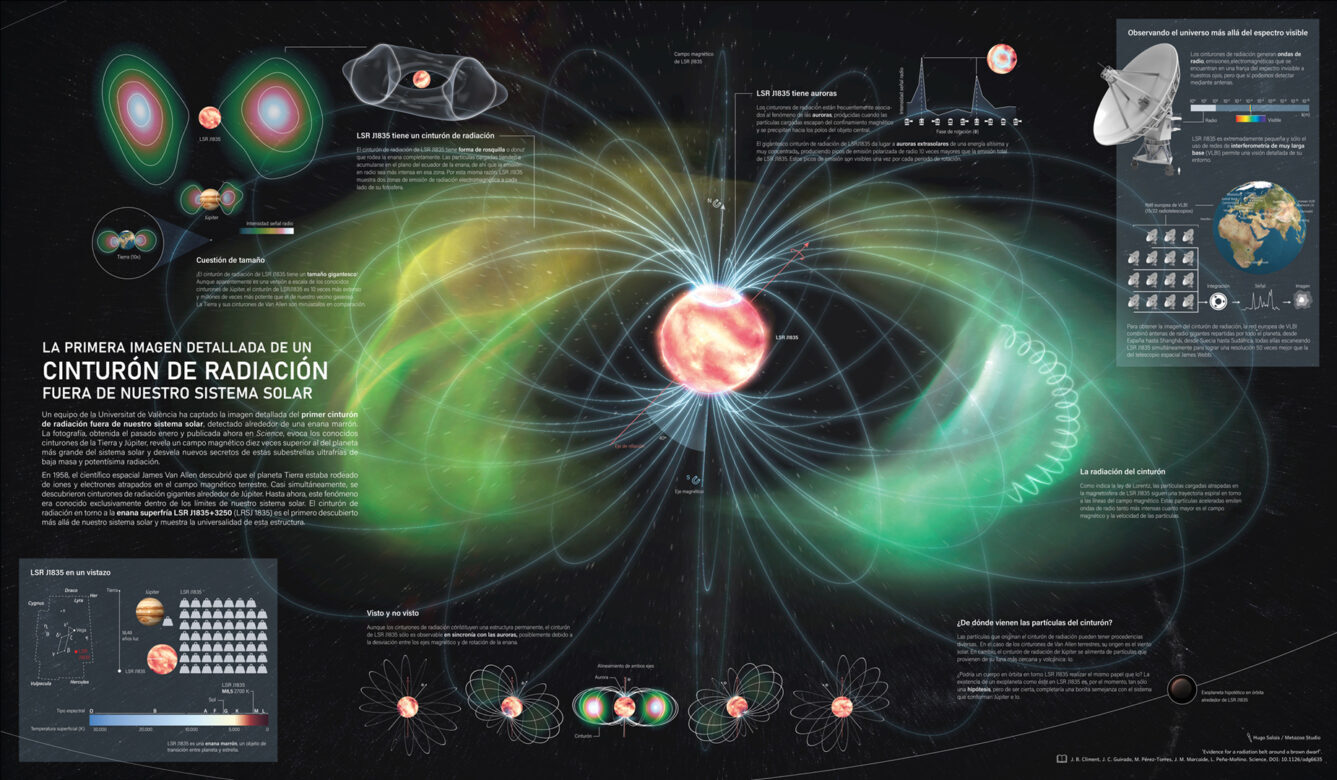
What is scientific illustration used for?
Visual science communication
Visual communication is a fundamental tool for making complex scientific information accessible. In the field of scientific illustration, this involves translating dynamic processes or abstract relationships into clear and coherent visual representations, organized according to a comprehensible logic. It is not simply about drawing, but about selecting, prioritizing, and structuring information so that the observer’s gaze is directed toward the essential elements of the phenomenon being studied. In this way, illustration reduces the visual noise present in other records, such as raw photography, and facilitates a more precise and effective understanding of scientific content.
Education and specialized training
In the training of physicians, veterinarians, or biologists, illustrations are indispensable for understanding the three-dimensionality and function of biological systems. Unlike a surgical photograph, which can be confusing due to the presence of fluids, a technical illustration highlights only the structures relevant to learning. This allows for more efficient training, where the student can memorize structures and spatial relationships with complete technical clarity.
Visualization of complex concepts
There are theories and models that are extremely difficult to describe with words alone. Scientific illustration breaks these concepts down into understandable visual elements. By simplifying the complex without losing rigor, information becomes accessible to a broader spectrum of observers. This type of visualization requires an expert interpretation of scientific information. If your research needs this level of visual precision, you can request personalized advice.
Illustrating the large, the small, and the unseen
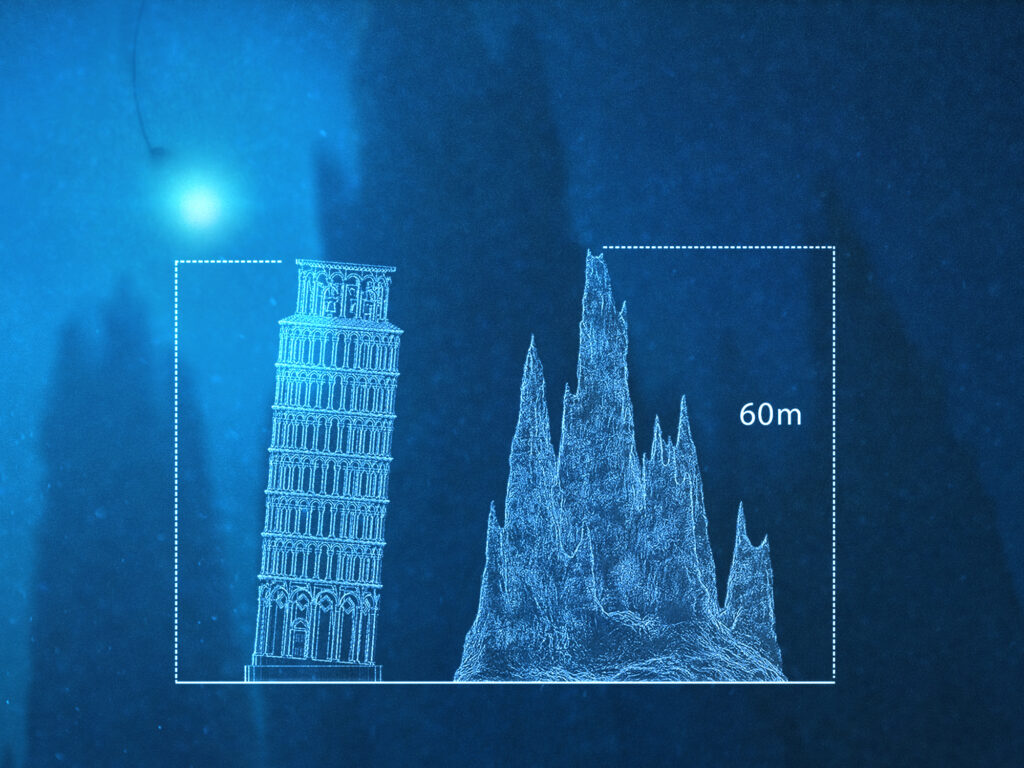
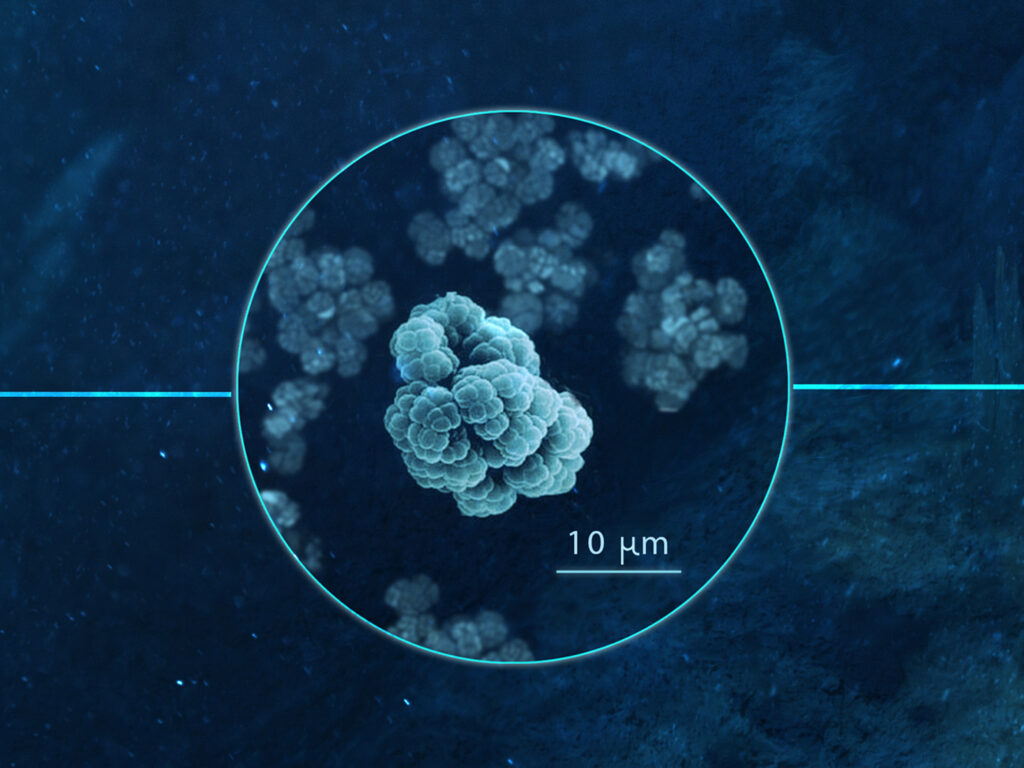
Scientific illustration allows for the representation of realities that exceed direct experience, whether due to their scale, complexity, or invisibility. From large natural systems to microscopic structures or phenomena inaccessible to the human eye, the image is not limited to showing, but rather interprets, organizes, and clarifies information.
Its function is to make these realities cognitively accessible, selecting what is relevant, establishing visual hierarchies, and always maintaining scientific rigor.

Types of scientific illustration
Discussing types of scientific illustration does not imply a closed or exclusive classification. It is a cross-disciplinary and flexible field, in which a single illustration can simultaneously meet different criteria. Therefore, differentiation is not based on rigid styles, but on how the image is constructed, what it is used for, and the context in which it is presented.
From a technical point of view, scientific illustration can be developed using various tools and methods, such as two-dimensional, vector, or three-dimensional techniques, or combinations thereof. The choice of technique is not an aesthetic preference, but a response to the needs for precision, clarity, scalability, and scientific fidelity required by each project.
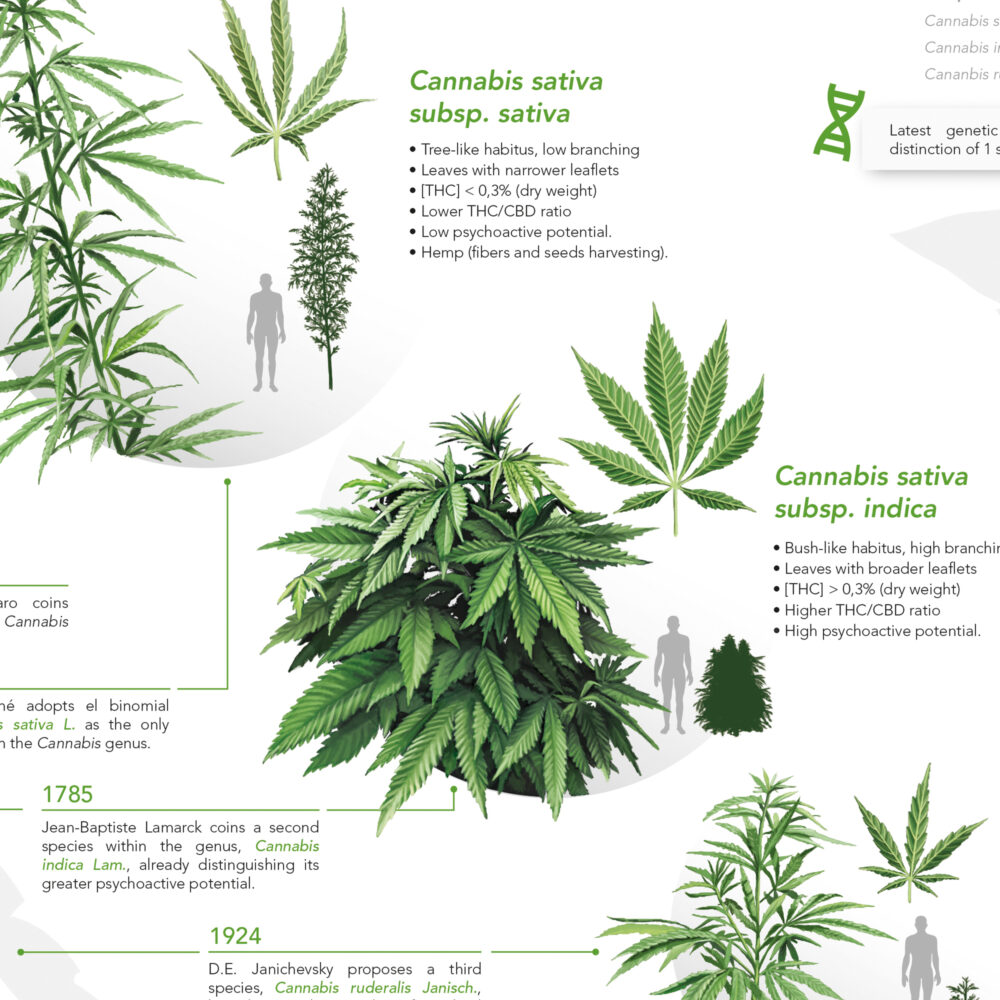
Another way to understand the types of scientific illustration is according to its field of application. Illustrating medical or veterinary content is not the same as representing biological processes, zoological or botanical specimens, ecological scenes, paleontological reconstructions, or physical phenomena. Each scientific discipline imposes specific conventions, levels of detail, and rigor criteria that shape the final form of the illustration.
Finally, the classification can also be approached according to the format in which the illustration is integrated: scientific publications, educational material, outreach, exhibitions, infographics, or digital and audiovisual media. The format determines aspects such as the degree of synthesis, visual hierarchy, and graphic language, adapting the illustration to the audience and the medium without compromising its scientific basis.
Professional applications
Research and academia
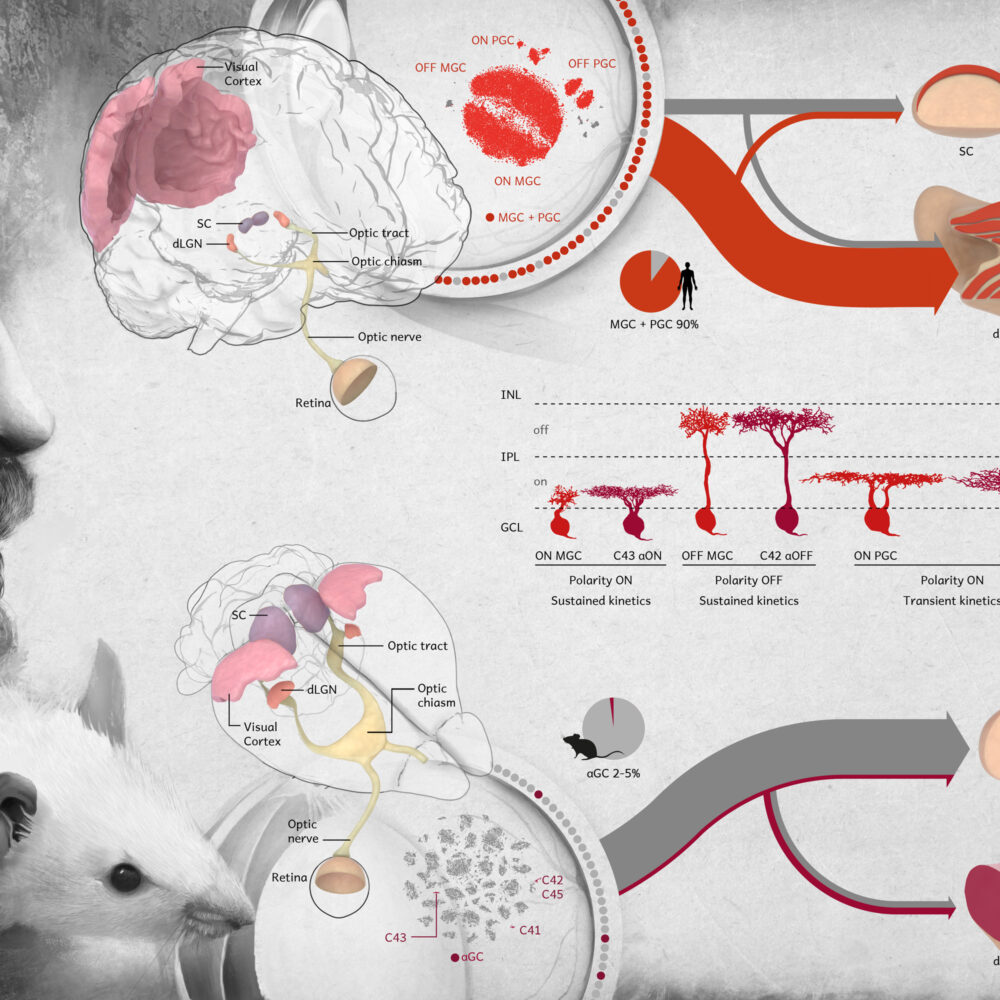
In the academic field, scientific illustration is integrated into articles, theses, or manuals, but it also fulfills a strategic function in scientific visibility and evaluation. A well-executed Graphical Abstract acts as a gateway to a paper: it summarizes the finding, captures attention, and improves initial understanding, which can impact reads, shares, and citations. In competitive calls, visual clarity is also decisive in grant applications, where a solid diagram can help the evaluator understand the hypothesis, methodology, and project impact in seconds. Even in high-level editorial contexts, such as scientific journal covers—where journals themselves invite submissions based on relevance—the image becomes a combination of rigor and visual narrative: scientific precision coupled with synthesis and impact.
You can view examples of work oriented toward various academic publications in my portfolio.
Biomedical and health sciences
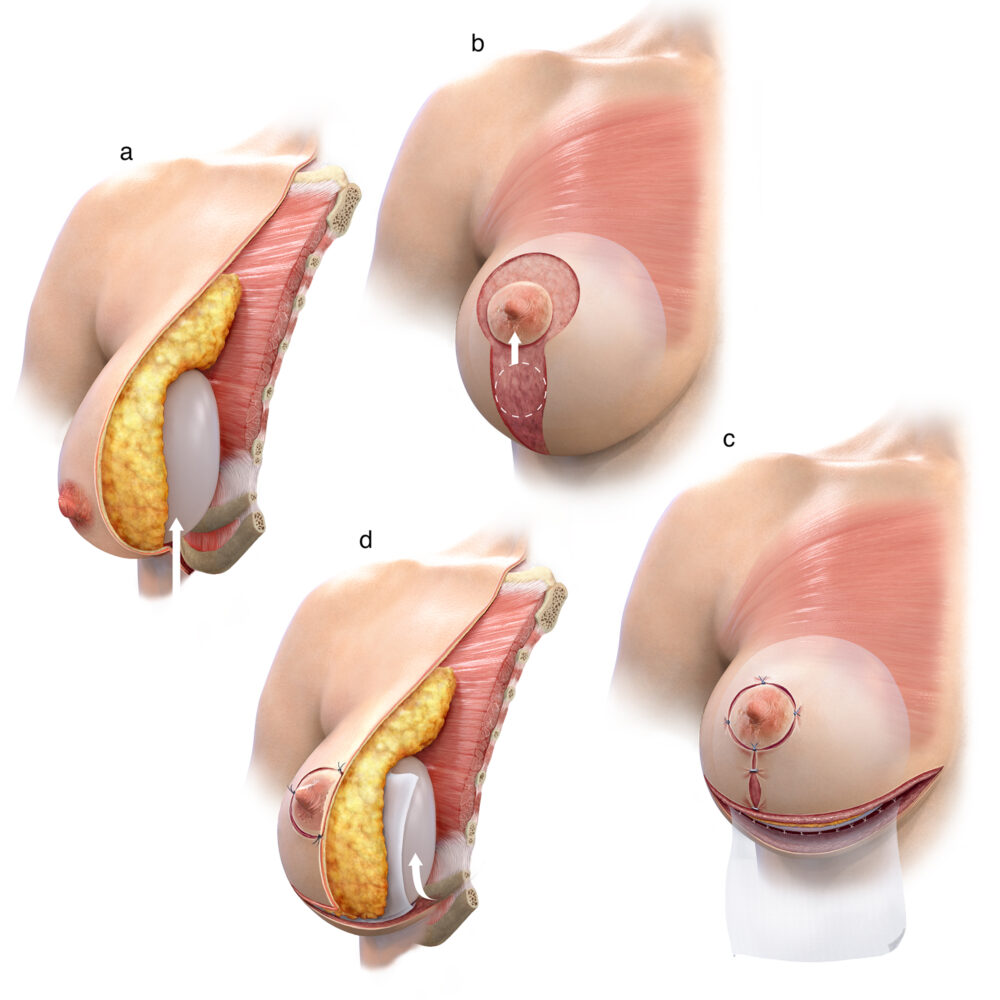
In medicine and health sciences, professional scientific illustration is especially critical because an inaccurate representation can lead to confusion or interpretive errors. It is used in teaching, clinical training materials, hospital communication, conferences, medical publishing, and patient resources. Here, the value lies in translating anatomy, physiology, procedures, devices, or pathological mechanisms into clear, standardized, and visually unambiguous images, adapted to the audience level (specialist, student, or patient) without losing precision.
Science communication and outreach
In outreach, illustration makes it possible to bring complex content closer to a non-specialized audience without sacrificing rigor. It functions as a bridge between technical language and general understanding: it organizes information, reduces cognitive load, and helps the reader “grasp the concept” before diving into the details. Furthermore, it contributes to the appeal of the shared information and, consequently, further encourages curiosity. This is why it is common in media, publishing, educational platforms, digital projects, and science communication campaigns, where clarity and visual narrative are decisive for maintaining attention and avoiding erroneous simplifications.
Museography and culture
Museums, exhibitions, and cultural projects use scientific illustration to contextualize pieces, reconstructions, and historical or natural processes. It is especially valuable when the object cannot be shown in its original or natural form or appearance (due to deterioration, absence, or scale), or when the project requires explaining dynamics and changes over time. Illustration provides context, reconstruction, and evidence-based interpretation, allowing for the creation of coherent, educational, and visually attractive exhibition layouts.
In all these contexts, illustration acts as an essential tool for the transmission of knowledge and the credibility of content. Each scientific context requires a different visual approach. You can consult the scientific illustration services I develop at Metazoa Studio to see how I approach each type of project.
Every scientific context requires a different visual approach. You can consult the scientific illustration services I develop at Metazoa Studio to learn how I approach each type of project.

The professional scientific illustrator
Collaborating with a professional scientific illustrator is a strategic decision aimed at communicating knowledge with clarity and rigor. Their work involves translating specialized information into a precise visual language, controlling the level of detail, hierarchy, and scientific coherence.
Content analysis
Interprets terminology, processes, and criteria of the discipline, detects ambiguities, and avoids simplifications that alter the meaning.
Visual synthesis
Selects the essentials and organizes them visually to facilitate reading and comprehension, adapting graphic codes according to the audience and context.
Rigor and precision
Builds verifiable images: every element serves a function, corresponds to sources, and maintains internal coherence.
Communication and credibility
Improves the transmission of content and reinforces the perceived solidity of the project in academic, educational, technical, or outreach environments.
Professional scientific illustration is not an optional resource, but a specialized tool that directly impacts the clarity and quality of content. Investing in this service ensures that information is communicated in a precise, structured, and context-appropriate manner, avoiding misinterpretations and reinforcing the project’s value.
At Metazoa Studio, I develop scientific illustration projects oriented toward specific communication goals, with a tailored approach according to the audience, medium, and context of use. You can see examples of some of my work in the portfolio section and, if you need a full breakdown of the process and available modalities, you will find all the information in the services section of this website.
Investing in this service ensures that information is communicated in a structured manner, avoiding misinterpretations and reinforcing the project’s value. Explore my methodologies and the different collaboration modalities in detail in my professional services catalog.
Frequently asked questions about scientific illustration
What exactly does a professional scientific illustrator do?
A professional scientific illustrator transforms complex technical information into clear, rigorous, and visually structured images. Their work does not consist solely of drawing, but of analyzing specialized documentation, collaborating with experts, and applying a methodology that guarantees scientific precision, communicative clarity, and visual coherence.
How does scientific illustration differ from other types of illustration?
The main difference lies in rigor and purpose. While other forms of illustration may prioritize artistic expression or subjective interpretation, professional scientific illustration is based on verifiable data, scientific hypotheses, accepted models, and expert review. Every visual decision serves a specific informative purpose.
What is the role of scientific illustration in research and academic publications?
In the academic sphere, scientific illustration facilitates the understanding of complex results, improves the clarity of articles, and increases the visual impact of a study. Well-designed technical figures and graphical abstracts help communicate the core message of a research project immediately, reinforcing its visibility and credibility.
Why is a photograph not enough in scientific contexts?
Photography records reality as it is, but it does not always communicate what is relevant. Scientific illustration allows for the removal of interference, the highlighting of key structures, the representation of internal processes, and the visualization of scales that a camera cannot clearly capture. Its function is not to reproduce, but to explain.
Who needs professional scientific illustration?
Researchers, universities, healthcare professionals, scientific publishers, museums, and cultural institutions that need to communicate knowledge with precision. Any project requiring the transmission of scientific information in a clear, structured, and validated way can benefit from collaborating with a professional scientific illustrator.