


Stroke Taxonomy:
Types of Scientific Illustration
Often, I am asked which types of scientific illustration I specialize in. The question seems simple, but it conceals a deeper issue: how can we classify a discipline as broad, cross-disciplinary, and methodologically demanding as scientific illustration?
Scientific illustration is not an isolated technique or a closed style. It is a specialized communication tool that adapts to multiple contexts, disciplines, and formats. Therefore, speaking about “types” necessarily involves discussing classification criteria.
There are solid arguments for categorizing scientific illustration according to the scientific fields it supports. However, it also makes sense to classify it based on production formats or even the visual media and techniques employed.
In this article, I address these three ways of understanding the types of scientific illustration from a professional and applied perspective.
Types of Scientific Illustration by Scientific Field
One of the most intuitive ways to classify scientific illustration is according to the field of knowledge it serves. Each discipline imposes specific representation conventions, different levels of detail, and concrete methodological requirements.
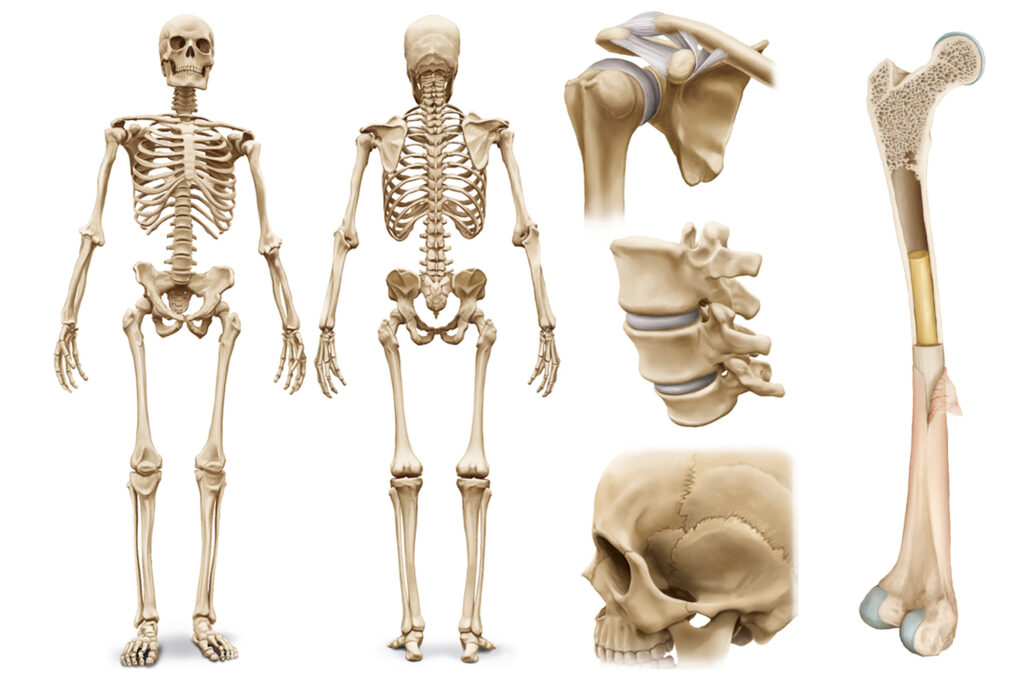
Biomedical and Health Sciences Illustration
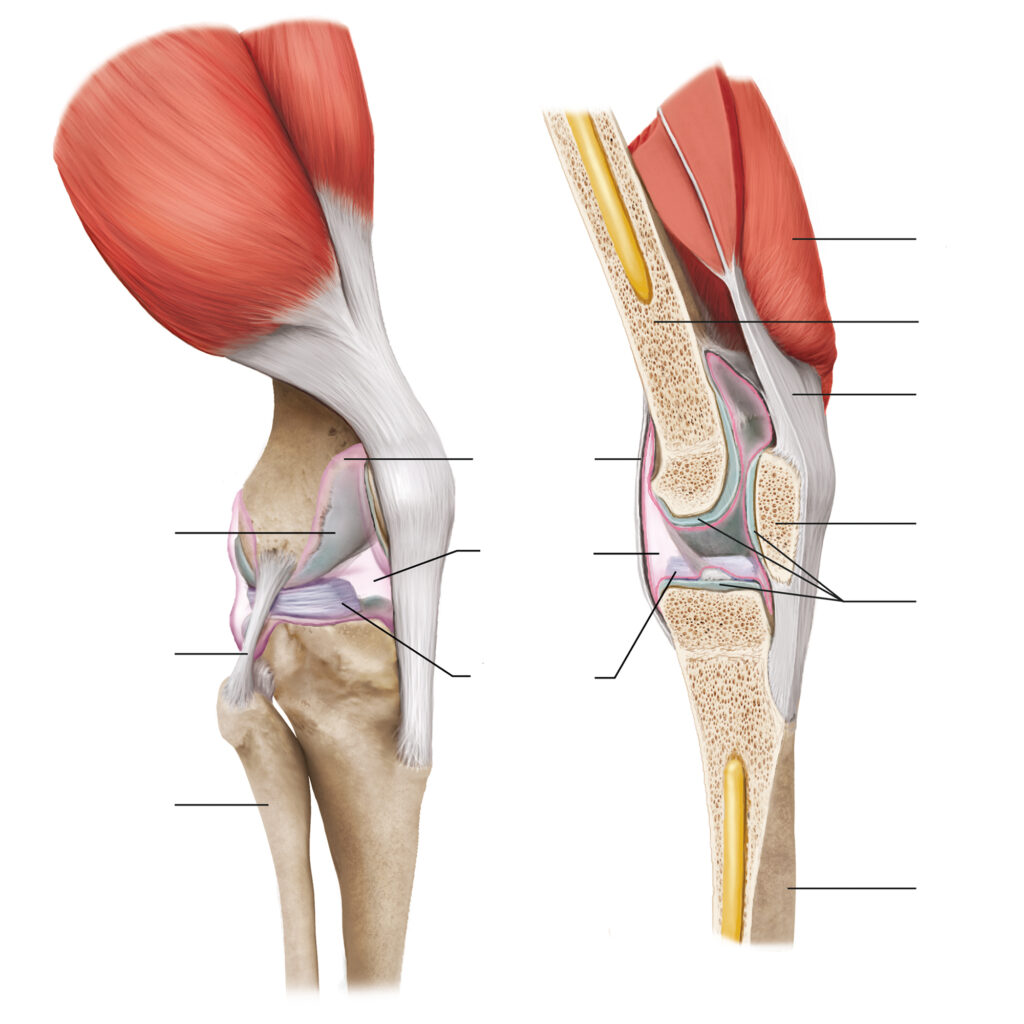
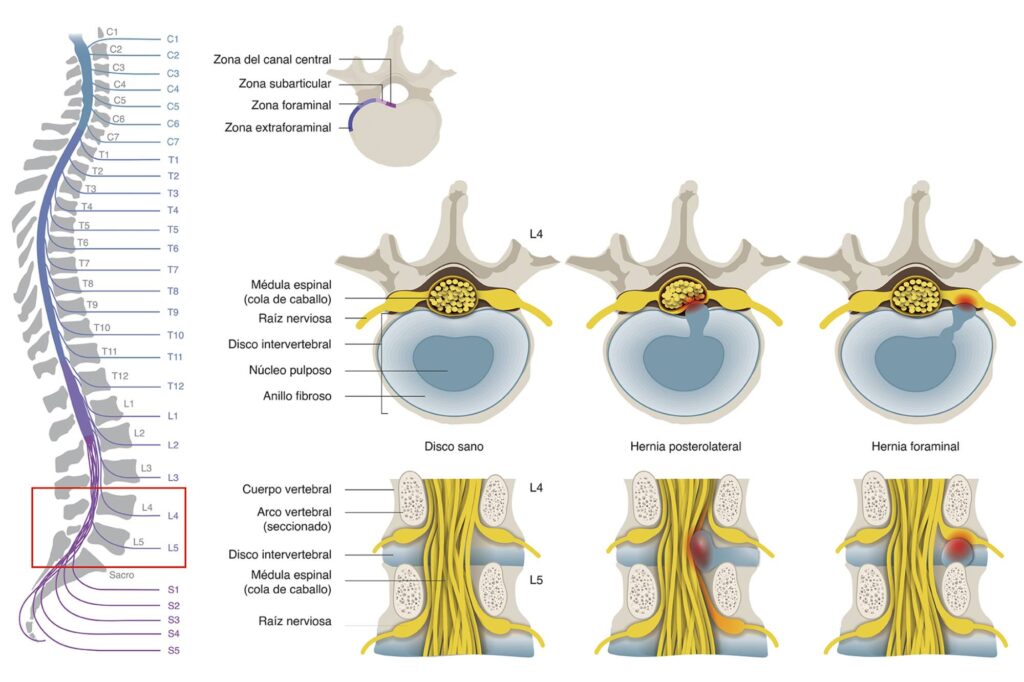
In medicine and biomedical sciences, scientific illustration must achieve extremely high levels of anatomical and functional accuracy. It is used in scientific articles, clinical training, surgical manuals, as well as educational and outreach materials.
The representation must not only be structurally accurate, but also pedagogically clear. In this context, images can facilitate the three-dimensional understanding of organs, tissues, or physiological processes that are difficult to interpret through photography or text alone.
Zoological and Botanical Illustration
Within the broad scope of the biological sciences, one of the primary applications of scientific illustration involves the representation of animal and plant organisms, as well as their external and internal anatomical structures. In this context, morphological rigor is essential.
Zoological and botanical illustration primarily aims at the accurate identification of species, organs, structures, and even behaviors. It must respect proportions, structural features, and diagnostic characteristics, which in turn allow species differentiation and the interpretation of evolutionary relationships.
Unlike photography, illustration involves a level of interpretation that makes it possible to remove irrelevant information and highlight key features that might go unnoticed in a real image. This makes it an especially valuable tool in taxonomy and in specialized publications such as identification guides.
Microscopic Illustration
Still within the field of the biological sciences, microscopic illustration addresses a different dimension: the representation of what is small, invisible, or beyond direct visual experience.
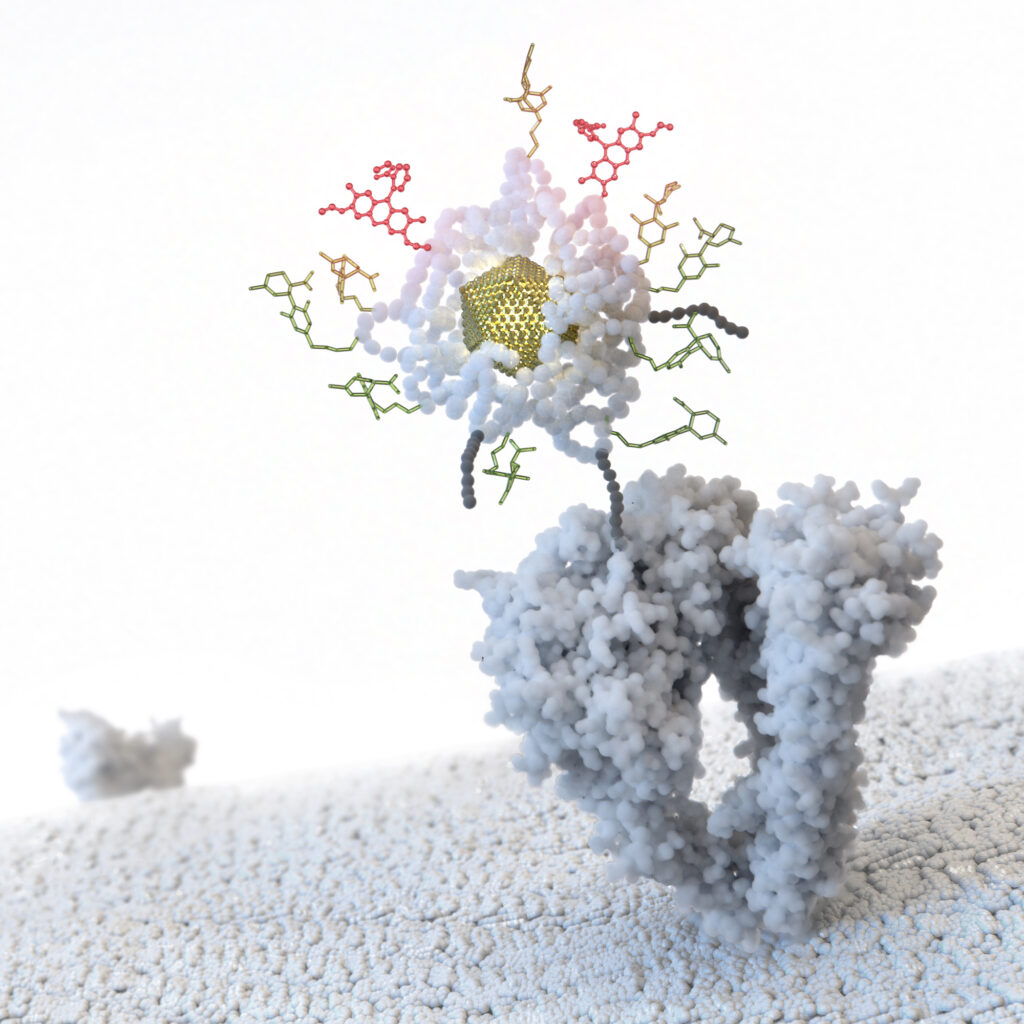
It includes the depiction of cells, microorganisms, cellular structures, tissues, proteins, or molecular interactions. In these cases, the image does not reproduce a direct observation in the conventional sense, but rather interprets data obtained through microscopy or other visualization and structural resolution techniques.
Illustrating the microscopic involves translating highly technical information into a visually comprehensible form without sacrificing precision.
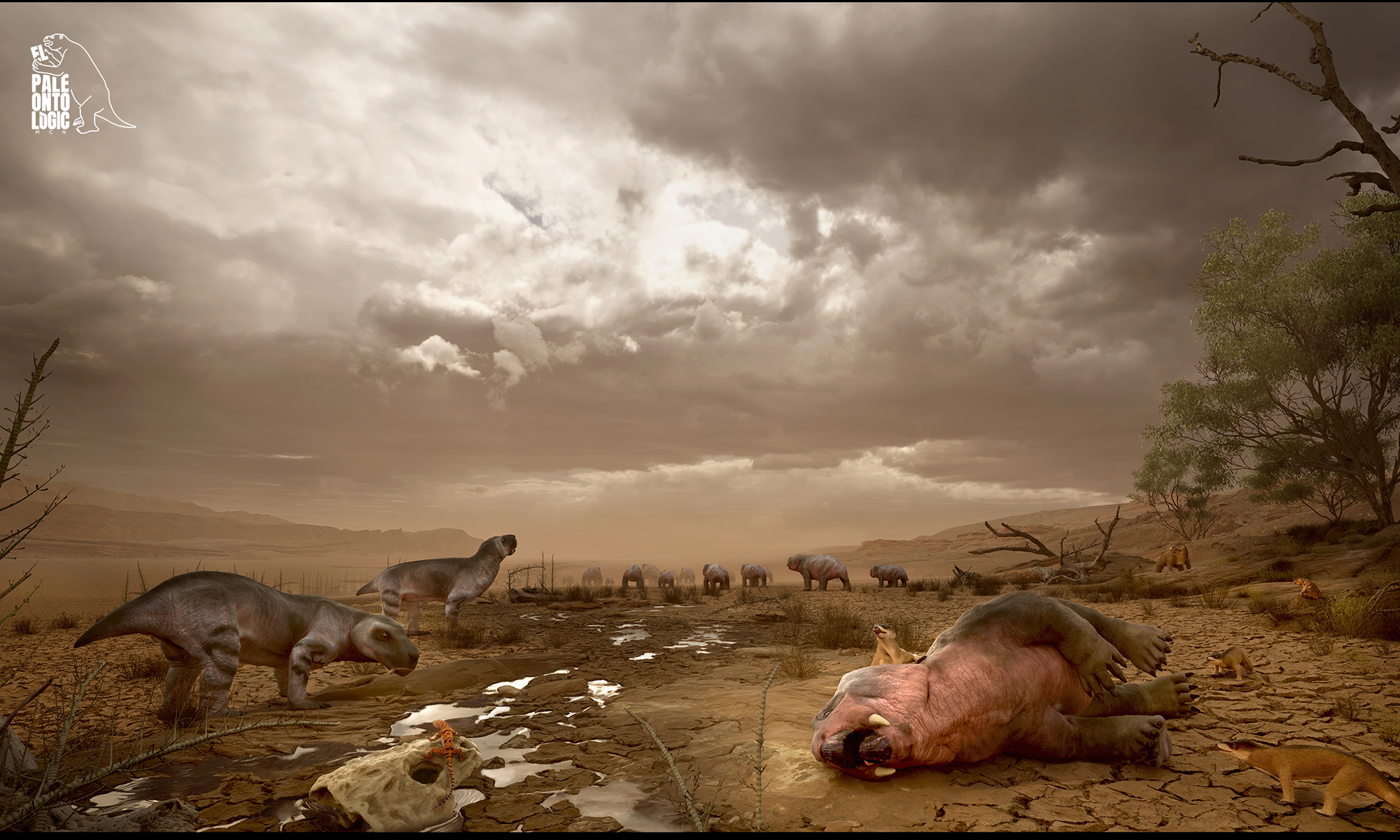
Paleontological Illustration
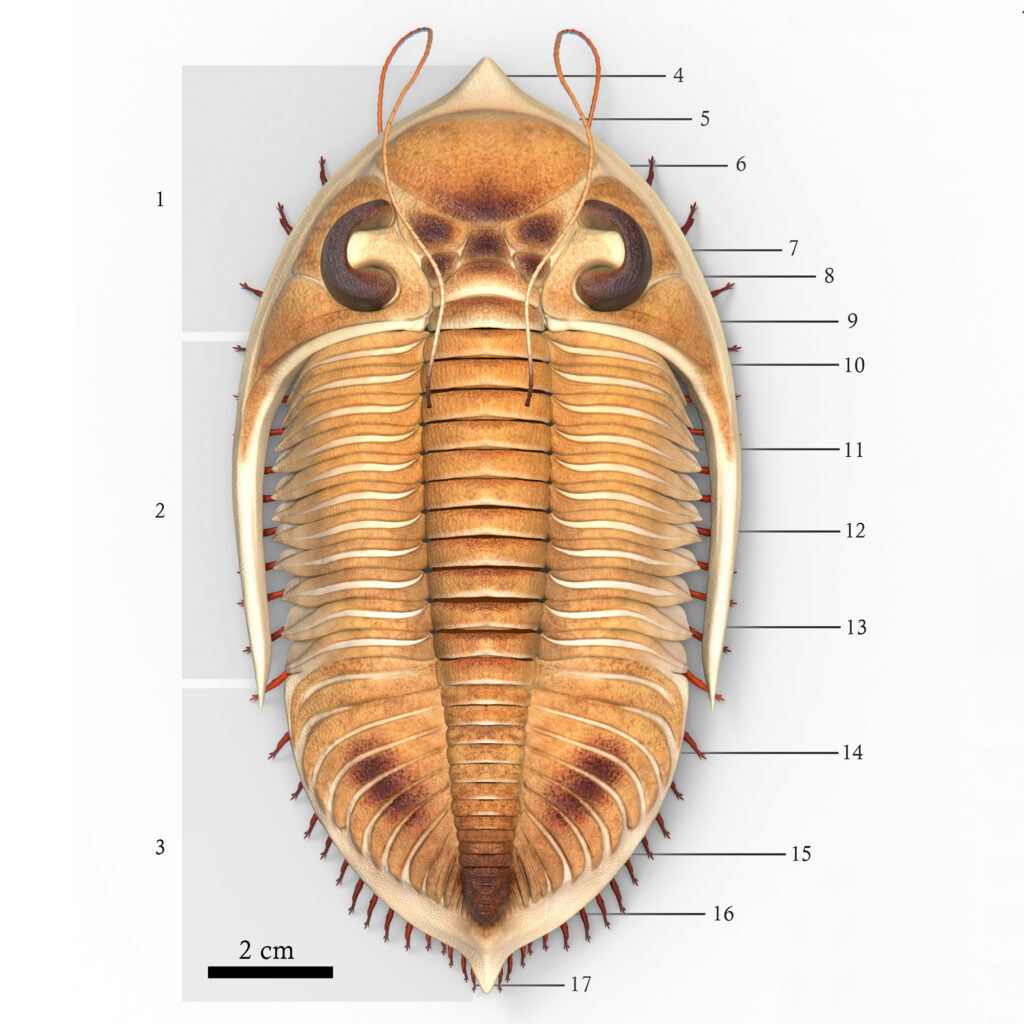
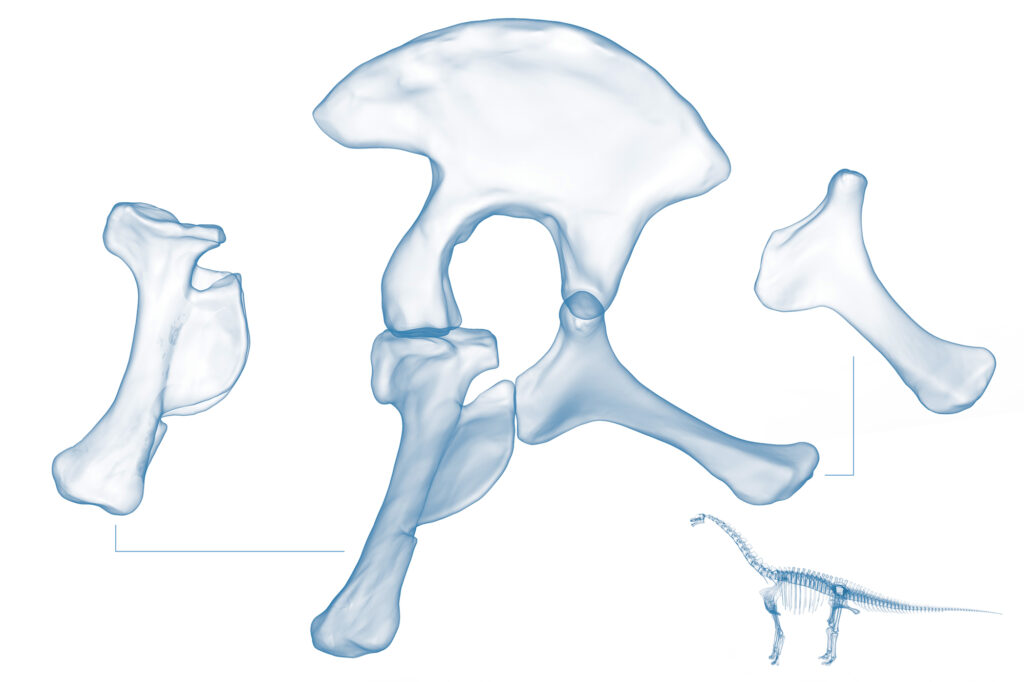
In paleontology, scientific illustration combines fossil evidence with well-founded hypotheses. Reconstructing extinct organisms involves integrating fragmentary data, comparative models, and current knowledge to develop a visual hypothesis about the morphology, behavior, and ecology of life forms from the distant past.
The scientific scene takes on particular importance in this context, as it allows organisms to be contextualized within their ecological environment and makes it possible to depict behaviors and interactions.
Illustration in Research and Academia
In the broader academic sphere, scientific illustration becomes a strategic tool. Figures, diagrams, and graphical abstracts synthesize complex results. A clear image can increase the visibility of an article, facilitate reviewers’ understanding, and strengthen the impact of a funding proposal.
If you are preparing a scientific paper or a competitive grant proposal and need to enhance your visual communication, you can explore my professional services here.
Communicating with Scientific Illustration
Publication in a scientific journal covers the strictly academic sphere of research: peer review, disciplinary positioning, and professional consolidation. However, an increasing number of institutions, universities, and research centers also require a complementary communication strategy to convey results to the wider public.
In this context, scientific illustration takes on a strategic role that goes beyond the academic article itself. Images can be integrated into institutional press releases, articles in general or specialized media, digital media communications, project reports, impact assessments, or public outreach materials.
A clear and accurate figure helps science journalists quickly understand the scope of a study and accurately convey it to the general audience. Likewise, a well-constructed, concise image increases the likelihood that media outlets will include the content in their coverage, as it provides a ready-to-publish visual resource.
Attending to this aspect does not replace the scientific quality of the work, but it does expand its reach. Academic publication validates knowledge within the expert community, while strategic communication ensures that the results of research also reach the broader society.
Understanding scientific illustration as an integrated part of a communication strategy —and not merely as a technical element of the article— allows researchers to maximize the real-world impact of their work.

Types of Scientific Illustration by Production Format
Beyond the scientific sphere, scientific illustration can also be classified according to the visual format used. Each format serves a specific communication strategy.
If you are working on a research project and need to visualize these details with precision, check out my graphic consulting services.
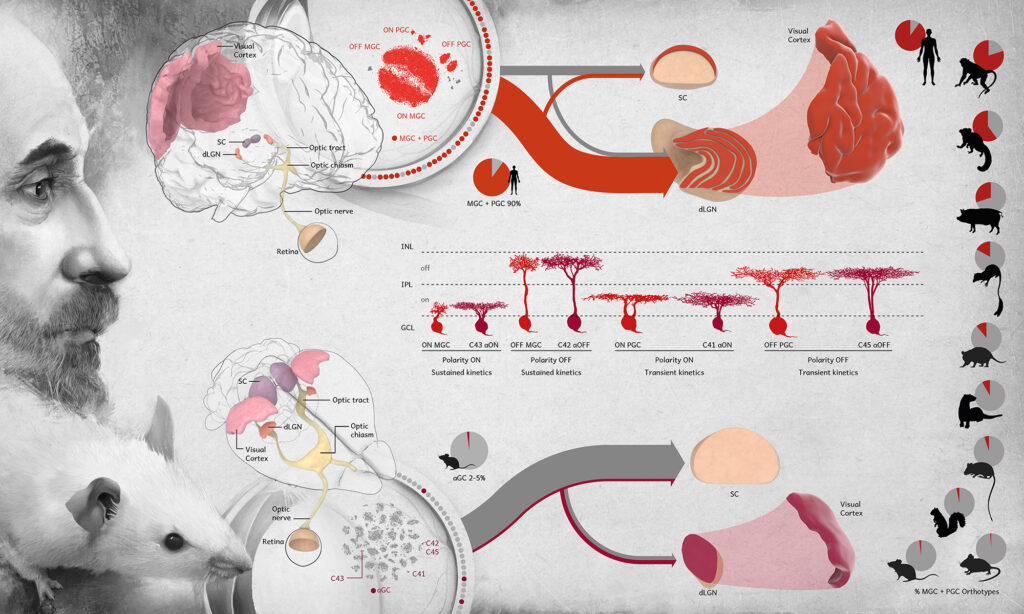
Scientific Figure
It is the most common format in academic publications. Its purpose is to represent results, mechanisms, or structures with maximum clarity.
A scientific figure is not decorative; it is structural. It organizes information and facilitates the immediate interpretation of the content.
Graphical abstract
The graphical abstract condenses the core concept of a research study into a single, concise image.
In high-impact journals, this format can determine an article’s visibility. It requires exceptional synthesis skills and a deep understanding of the study.

Scene
The scene provides context. It depicts interactions, environments, or complete situations.
It is common in paleontology, ecology, and science communication. It requires careful prioritization to balance content and its relationships while maintaining the compositional harmony of the piece.
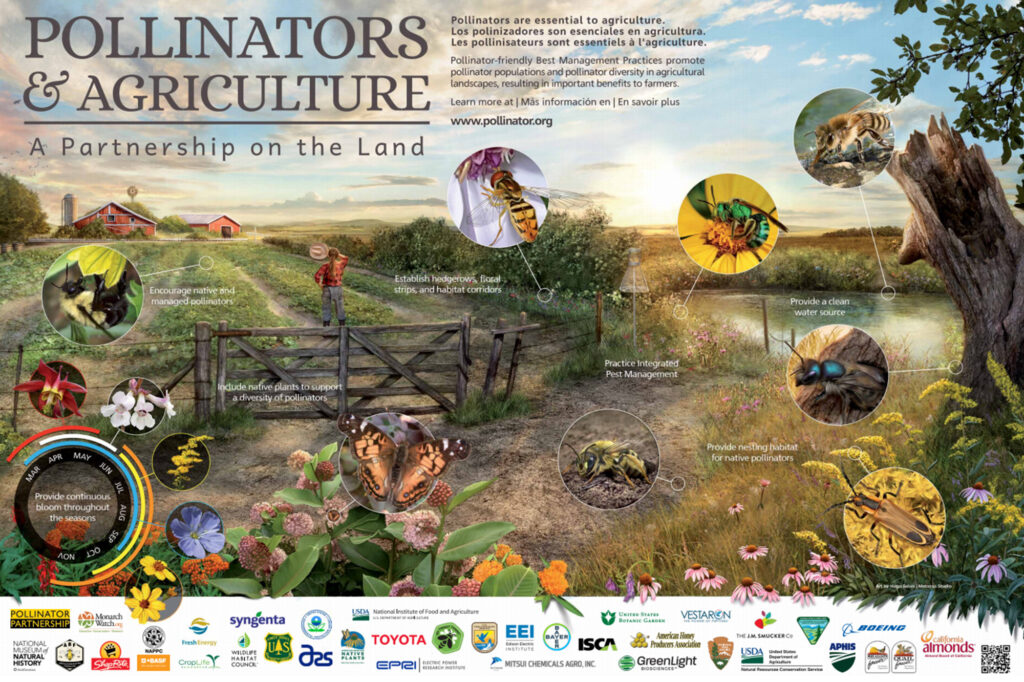
Infographic
Scientific infographics combine images and structured text to communicate complex information clearly and accessibly. They are among the most widely used formats in education and science communication, precisely because of their ability to synthesize information.
Unlike more analytical formats, an infographic is not limited to representing a single structure or specific result. It allows a large amount of information on a topic to be condensed, processed, prioritized, and organized into a coherent visual sequence.
This format is particularly effective for explaining sequential processes, comparing data, integrating quantitative figures, or contextualizing broad scientific concepts without sacrificing rigor. The key is not just to present information, but to structure it so that the reader—especially a non-expert—can understand and assimilate it easily.
For this reason, infographics have become a flagship format in science communication. When well designed, they do not oversimplify; they translate complexity into clarity.
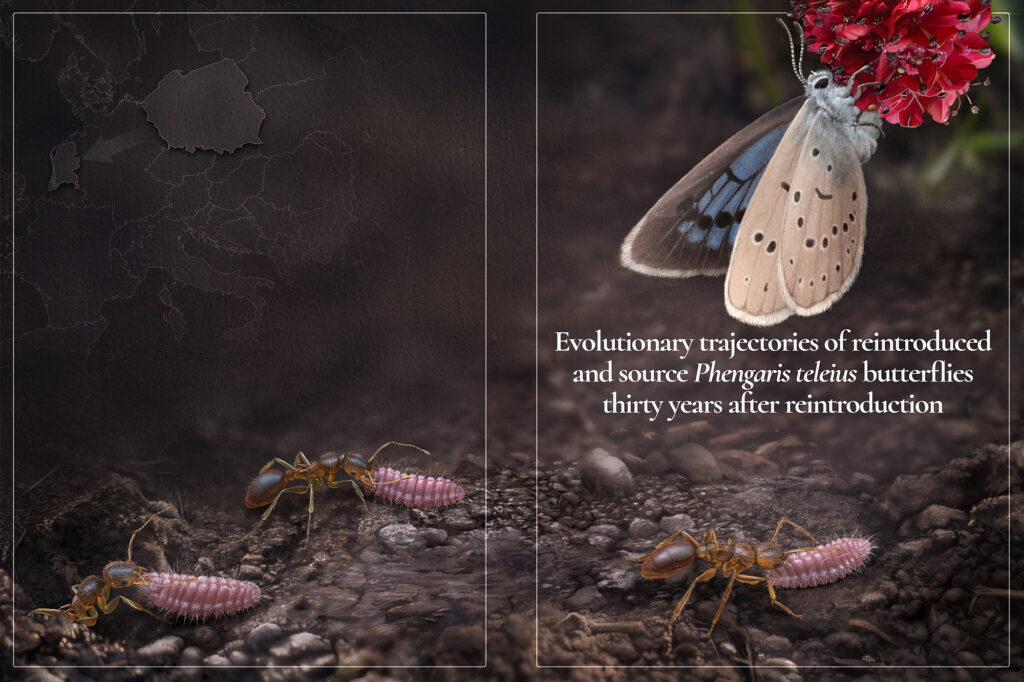
Scientific Cover
A scientific cover requires a delicate balance between visual impact and conceptual accuracy. Whether for a specialized journal or a doctoral thesis, the image must capture attention without compromising the rigor of the content it represents.
In the editorial sphere, a scientific journal cover serves as the showcase for the published issue. It should visually summarize the core concept of a study or a collection of works, maintaining scientific fidelity while also achieving aesthetic appeal.
In the academic context, doctoral thesis covers are becoming increasingly common commissions. In these cases, the illustration not only provides a visual identity for the project but also symbolizes years of research condensed into a meaningful image. The cover thus becomes a representative element that accompanies the defense and subsequent dissemination of the work.
In both scenarios, the visual component takes on greater prominence than in more technical formats, but it is always subordinate to scientific rigor and coherence. The goal is not decoration, but precise and thoughtful representation of the work’s content.
You can see examples of these formats applied in real projects in my portfolio.
Types of Scientific Illustration by Medium and Visual Technique
Scientific illustration is not tied to a single technique. The medium is chosen based on the content and the intended context of use.
Vector Illustration
Ideal for diagrams and schematics. It provides clarity, scalability, and precision in technical representations.
Two-dimensional illustration (2D)
It is the quintessential medium for illustration and painting, as it allows maximum control over artistic parameters such as shape, volume, lighting, and color, among others.
For this reason, it is the most adaptable medium to different techniques, pictorial styles, and visual languages, ranging from full-color hyperrealistic styles to more diagrammatic or schematic approaches in black and white, incorporating classical techniques such as stippling.
Three-Dimensional (3D) Modeling
It is particularly useful when a volumetric understanding of complex structures is required, such as proteins, organs, or paleontological reconstructions.
Combined Techniques
In many projects, the most effective approach is to integrate multiple techniques, leveraging the main advantages of each and combining them into a visually rigorous, realistic, and appealing result.
The technique is never an end in itself. It is always subordinate to the scientific content and the communication goal.
Increase the citations of your article with a professional Graphical Abstract. Request more information today.
Versatility in Professional Scientific Illustration
Beyond classifications by field, format, or technique, professional scientific illustration is defined by a key quality: versatility. While categorization is useful conceptually, in professional practice what truly matters is the ability to adapt to different scientific content, contexts of use, and communication objectives.
Scientific illustration is not about applying a repeatable style; it involves analyzing each project individually and developing a visual solution tailored to its complexity, audience, and purpose.
Analytical and Scientific Understanding Skills
A rigorous scientific illustration begins long before drawing. It requires the ability to analyze scientific literature, interpret diverse data, and understand processes, structures, or hypotheses specific to different fields of knowledge.
It is not about having deep academic specialization in every discipline, but about developing a working methodology based on critical reading, source validation, and smooth collaboration with researchers and experts. This analytical capability allows complex scientific information to be translated into precise, coherent, and conceptually sound visual representations.
Technical Mastery and Visual Toolbox
Versatility also depends on mastery of a wide range of techniques and visual media. 2D illustration, vector art, 3D modeling, and hybrid techniques are all part of a toolbox that must serve the scientific content, never the other way around.
Equally important as knowing the tools is having the judgment to choose the most suitable combination for each project. Technique is not an end in itself, but a strategic resource selected based on the type of information, the required level of detail, and the context in which the illustration will be used.
Adaptation to Different Formats and Communication Strategies
Experience with different formats—scientific figures, infographics, scientific scenes, graphical abstracts, or covers—allows the visual strategy to be adapted to a specific editorial, academic, or outreach context.
Each format imposes different communication requirements: from the analytical precision of a figure to the synthesis skills needed for a graphical abstract or the conceptual impact of a cover. Understanding these differences is essential to designing images that are not only scientifically accurate but also effective from a communication standpoint.
Overall, professional scientific illustration is more than just drawing. It encompasses analysis, methodology, validation, and the application of visual communication strategy to scientific knowledge.
Professional Scientific Illustration Services
Professional scientific illustration is not an accessory resource, but a strategic tool for communicating knowledge with precision, clarity, and visual coherence.
Each project begins with a detailed analysis of the scientific content, communication objectives, and context of use. The workflow integrates literature review, collaboration with the researcher or responsible team, and technical validation at every stage of development.
The goal is not merely to produce an attractive image, but to create a visual representation that is rigorous, functional, and aligned with the scientific and editorial standards of the project.
If you are developing a scientific article, doctoral thesis, outreach project, or competitive proposal and want your visual communication to match the rigor of your work, you can contact me here.
I will be happy to review your case and propose a personalized solution.
Frequently Asked Questions About Types of Scientific Illustration
Why is a photograph not always sufficient in science?
Photography captures reality as it appears, but it does not always allow key structures to be highlighted or extraneous details to be removed.
Scientific illustration, on the other hand, can interpret, synthesize, emphasize, and clarify complex information with an informative and/or educational purpose.
Which sectors demand professional scientific illustration?
Universities, research centers, academic publishers, biomedical laboratories, museums, scientific and cultural institutions, as well as companies and outreach projects, are some of the main sectors.
Can an illustration increase the acceptance of an article?
A well-designed scientific illustration does not guarantee an article’s acceptance on its own, but it can positively influence the peer-review process. Clear, rigorous, and visually coherent figures make complex results easier to understand, help reviewers interpret data more quickly, and reduce ambiguities.
Moreover, in competitive journals, the visual quality of graphical materials—including figures and graphical abstracts—can enhance the overall perception of the manuscript, reinforcing its clarity, professionalism, and communicative impact. In this sense, a good illustration does not replace scientific content, but it can significantly boost its effectiveness and visibility.
What is a graphical abstract?
A graphical abstract is a concise image that summarizes the core concept of a scientific study.
Its purpose is to condense the content of the research into a single, clear, and visually effective representation, enhancing the article’s visibility and comprehension.
What is a scientific figure, and what is it used for?
A scientific figure is a visual representation designed to summarize results, mechanisms, or structures in academic publications.
It is not decorative: it serves a structural purpose within the article, organizing information and facilitating immediate comprehension.
Why is scientific illustration important in research?
Scientific illustration enhances communication clarity, facilitates the understanding of complex structures, and can increase the visibility of academic articles.
A well-designed visual representation not only supports the scientific content but also strengthens its impact and credibility.
Take your scientific publication to the next level with high-impact images. Contact me for a personalized quote.